HDPE vs PET vs Glass: How to Choose the Right Packaging Material for Your Brand
If you’re launching or scaling a brand — skincare, pharma, food, or home care — one of the first decisions that quietly shapes your entire product experience is packaging material. Get it wrong, and you’re looking at cracked bottles in transit, product reacting with the container, or customers judging your brand as “cheap” before they’ve even opened it.
Here’s a practical breakdown of the three most common rigid packaging materials — HDPE, PET, and Glass — and how to choose between them.
1. HDPE (High-Density Polyethylene)
Best for: Shampoos, lotions, household cleaners, oils, and any product that needs a tough, opaque container.
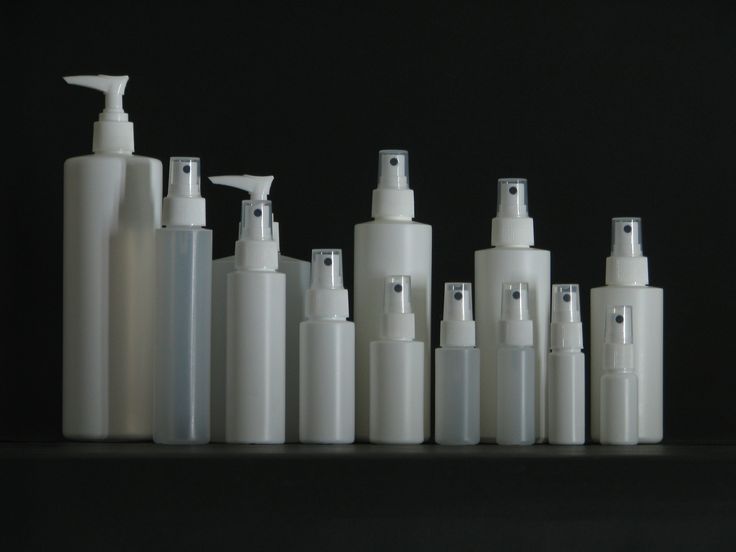
HDPE is the workhorse of packaging. It’s lightweight, impact-resistant, and chemically stable — meaning it won’t react with most liquids, including harsh cleaning agents. Because it’s naturally opaque (or easily pigmented), it also protects light-sensitive formulations.
Pros:
- Excellent chemical resistance
- Shatterproof — ideal for shipping and bulk transport
- Cost-effective at scale
- Recyclable (resin code 2)
Trade-off: HDPE isn’t transparent, so if showcasing product color or texture matters to your branding, it’s not the right fit.
2. PET (Polyethylene Terephthalate)
Best for: Cosmetic bottles, beverage packaging, and any product where visual appeal and clarity matter.
PET offers the clarity of glass with a fraction of the weight and breakage risk. It’s the material of choice for brands that want customers to see the product — think serums, toners, and beverages where color and texture are part of the sell.
Pros:
- Crystal-clear, glass-like shine
- Lightweight — lower shipping costs
- Good barrier properties against moisture and gas
- Fully recyclable (resin code 1)
Trade-off: Less chemical-resistant than HDPE, so it’s not ideal for strong solvents or highly acidic/alkaline formulations without additional barrier treatment.
3. Glass
Best for: Premium skincare, serums, oils, and pharma products where perceived value and formulation purity matter most.
Glass is inert — it doesn’t interact with your product at all, making it the gold standard for sensitive formulations, especially in pharma and high-end cosmetics. It also signals premium quality to customers in a way plastic simply can’t.
Pros:
- Zero chemical interaction — ideal for sensitive formulations
- Premium look and feel
- Fully recyclable, reusable
- Excellent barrier against oxygen and moisture
Trade-off: Heavier (higher shipping cost), fragile in transit, and typically more expensive to manufacture and ship than plastic alternatives.
Quick Decision Guide
| If your priority is… | Go with… |
|---|---|
| Toughness & bulk shipping | HDPE |
| Clarity & shelf appeal | PET |
| Premium perception & product purity | Glass |
| Lowest cost at scale | HDPE or PET |
| Strong chemical resistance | HDPE |
A Few Questions to Ask Before You Decide
- What’s the formulation? Oil-based, water-based, or solvent-heavy products behave differently with each material.
- What’s the shipping distance and method? Glass adds weight and breakage risk over long distances.
- What does your customer expect to see on the shelf? Premium brands often justify glass’s higher cost through perceived value alone.
- What’s your production volume? At high MOQs, HDPE and PET typically offer better unit economics than glass.
Still Not Sure Which Material Fits Your Product?
At Apisys, we manufacture across all three materials — HDPE and PET bottles, plastic and glass jars, along with caps, closures, and pumps to match. Our team can help you match material to formulation, volume, and budget before you commit to a production run.
Get a Quote → or Download our full catalogue to see the complete range.
Have a specific packaging requirement in mind? Talk to our team — we typically respond with sizing, MOQ and pricing details within 24 hours.